Identification of Organic Compound R
Paragraph for Questions 12 to 14.
Two aliphatic aldehydes P and Q react in the presence of aqueous to give compound R, which upon treatment with HCN provides compound S. On acidification and heating, S gives the product shown below :
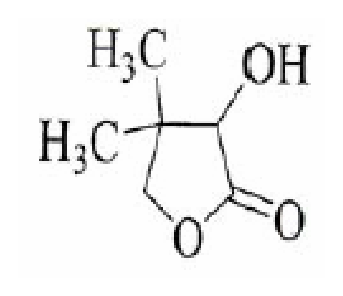
The compound R is
Options
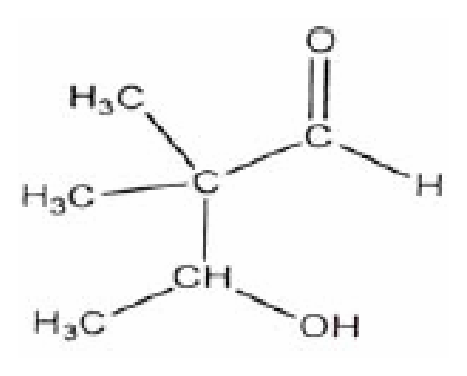
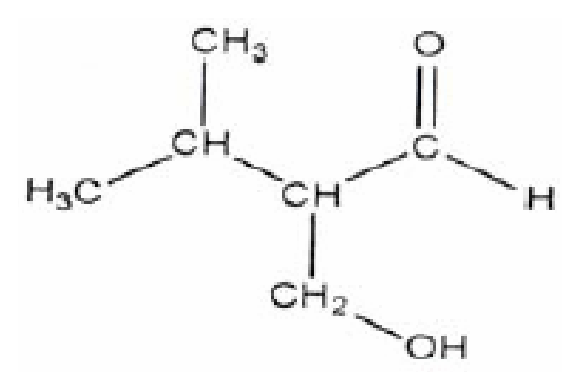
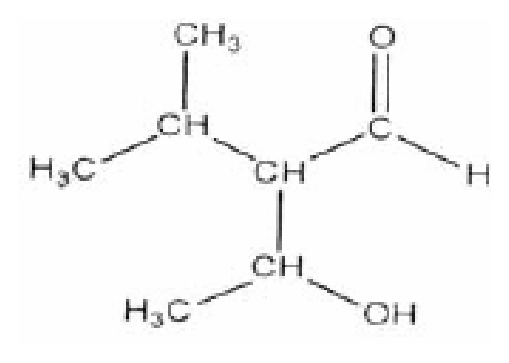
Step-by-Step Solution
The reaction involves a crossed-aldol condensation between 2-methylpropanal (isobutyraldehyde) and formaldehyde () in the presence of a dilute base.
-
Enolate Formation:
2-Methylpropanal, , possesses one reactive -hydrogen atom. Deprotonation by a base () yields the enolate nucleophile:
-
Nucleophilic Addition to Formaldehyde:
Formaldehyde () lacks -hydrogens and has a highly electrophilic carbonyl carbon. The enolate ion attacks formaldehyde selectively:
-
Protonation:
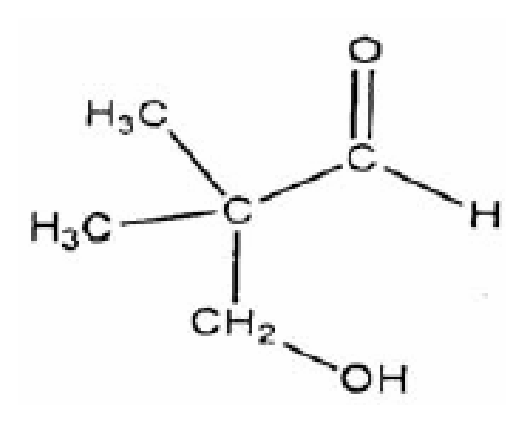
Protonation of the alkoxide intermediate yields the aldol product, compound R:
Compound R is 3-hydroxy-2,2-dimethylpropanal, which matches the chemical structure shown in option A.
Correct Answer: A