Identification of Amine Product R from Dialkylbenzene Derivatives
Upon reaction of compound O with , compound P is formed, which when heated with ammonia yields Q. Treatment of compound Q with produces R. When strongly heated, Q yields S, which upon subsequent reaction with ethyl 2-bromopropanoate in the presence of followed by acidification, gives compound T.
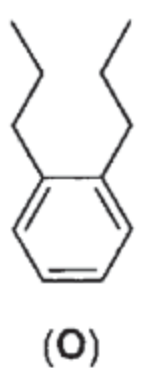
Identify the structure of compound R.
Options
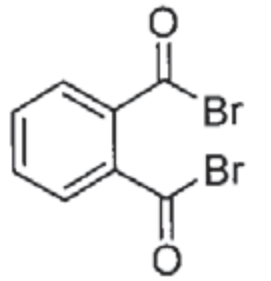
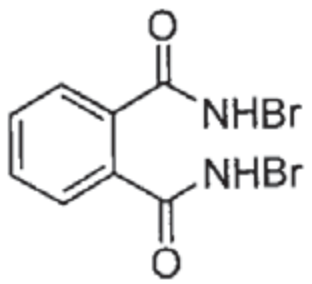
Topics & Concepts
Step-by-Step Solution
To determine the structure of compound R, let us trace the complete reaction sequence step-by-step:
-
Oxidation of Compound O to P: Compound O is a 1,2-dialkylbenzene (1,2-dipropylbenzene). Since each alkyl side chain possesses benzylic hydrogen atoms, treatment with vigorous oxidizing agents such as acidic potassium permanganate () results in complete side-chain oxidation to yield phthalic acid (benzene-1,2-dicarboxylic acid) as compound P.
-
Formation of Compound Q: When phthalic acid (P) is heated with ammonia (), it forms phthalamide as compound Q:
-
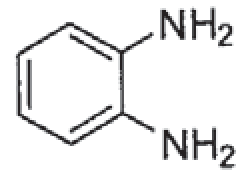
Hofmann Bromamide Degradation to form Compound R: Treatment of phthalamide (Q) with bromine in the presence of sodium hydroxide () undergoes the Hofmann bromamide degradation. In this reaction, both primary amide groups () lose their carbonyl carbon atoms to form primary amino groups ():
Thus, compound R is 1,2-diaminobenzene (o-phenylenediamine), which corresponds to structure (A).
Correct Answer: A