Azo Dye Formation with Beta Naphthol
Amongst the compounds given, the one that would form a brilliant colored dye on treatment with in dil. followed by addition to an alkaline solution of -naphthol is
Options
A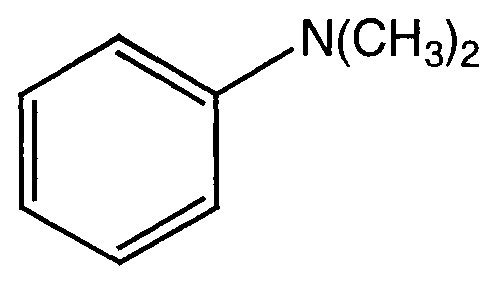
B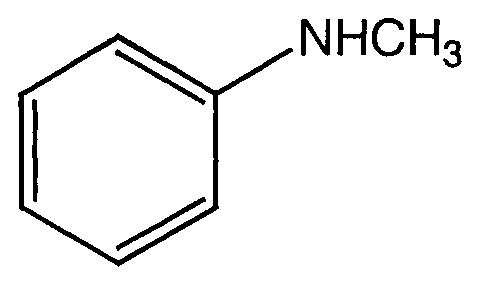
C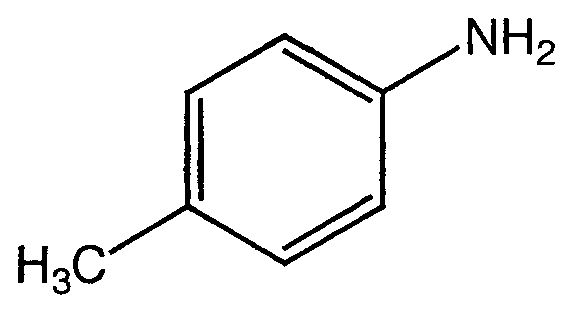 Correct
D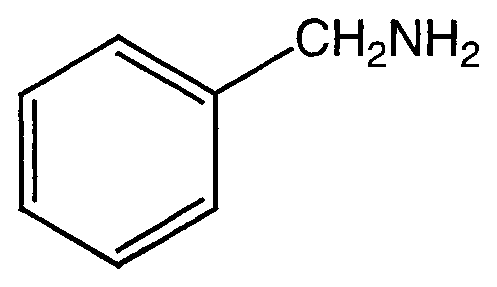
Topics & Concepts
Step-by-Step Solution
To determine which of the given compounds forms a brilliant colored azo dye, we analyze the reaction conditions and the chemical nature of each compound:
-
Azo Dye Test Reaction Principle:
The formation of an azo dye with -naphthol (2-naphthol) involves two steps:- Diazotization: A primary aromatic amine () reacts with nitrous acid () at low temperatures () to form a stable arenediazonium salt ():
- Azo Coupling: The arenediazonium ion acts as a weak electrophile and undergoes an electrophilic aromatic substitution reaction with an alkaline solution of -naphthol to produce a brightly colored, conjugated azo compound (azo dye):
- Diazotization: A primary aromatic amine () reacts with nitrous acid () at low temperatures () to form a stable arenediazonium salt ():
-
Analysis of the Options:
- Option (A) []: This is a (tertiary) aromatic amine. It does not form a diazonium salt upon treatment with ; instead, it undergoes electrophilic nitrosation at the para-position.
- Option (B) []: This is a (secondary) aromatic amine. It reacts with nitrous acid to give an oily -nitrosamine () and does not form a diazonium salt.
- Option (C) []: This is a (primary) aromatic amine (-toluidine). It smoothly undergoes diazotization to form a stable diazonium cation (), which subsequently couples with -naphthol in an alkaline medium to form a brilliant orange-red azo dye.
- Option (D) []: This is a aliphatic/benzylic amine. Its diazonium salt is highly unstable and rapidly decomposes with the loss of gas to yield benzyl alcohol and other carbocation-derived products, thus failing to couple with -naphthol.
Therefore, only compound (C) gives a positive azo dye test.
Correct Answer: C