Sequential Transformation of Terminal Alkyne to Alkene Derivative
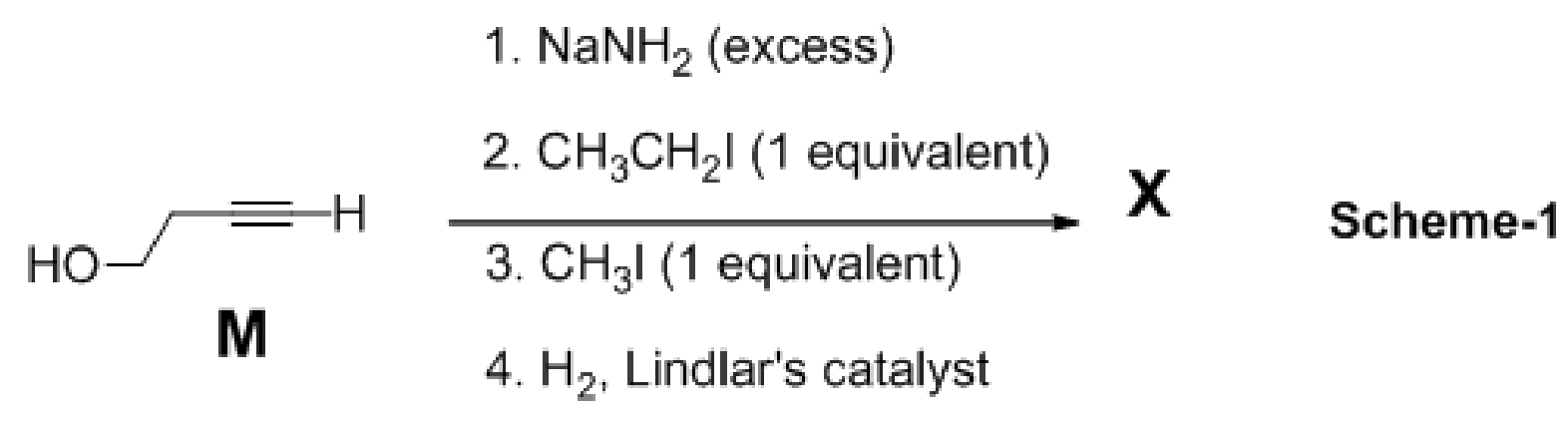
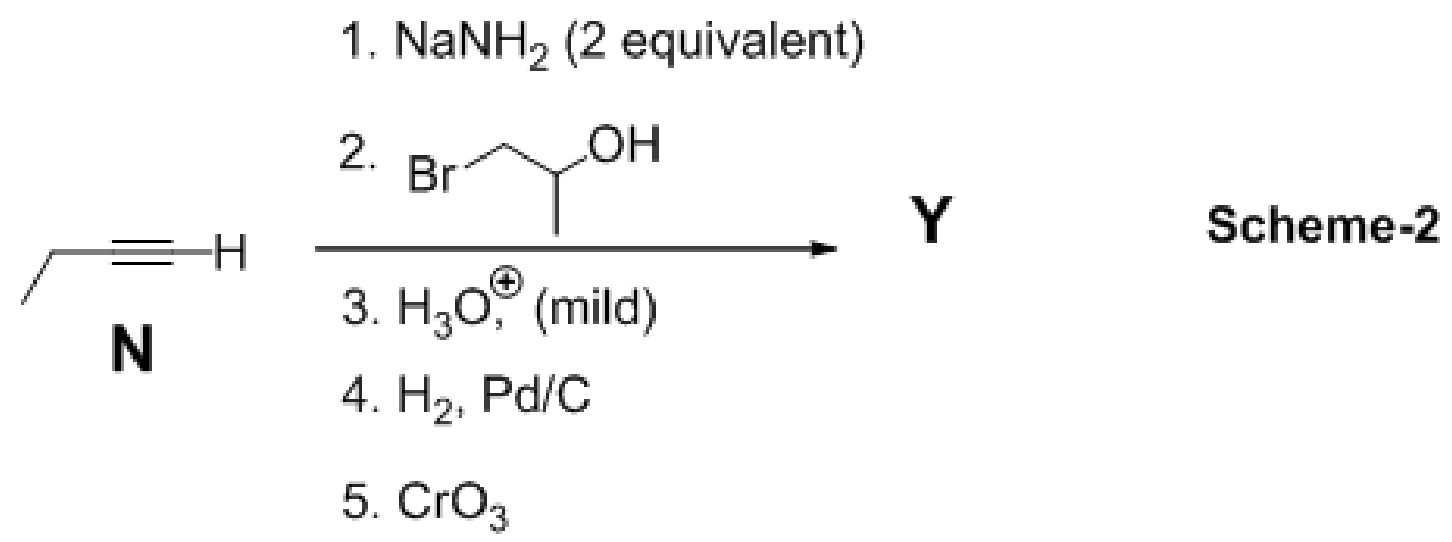
Schemes 1 and 2 describe sequential transformation of alkynes and . Consider only the major products formed in each step for both the schemes.
The major product is
Options
Topics & Concepts
Step-by-Step Solution
To determine the major product formed in Scheme 1, let us analyze the reaction sequence step by step:
-
Step 1: Reaction of with excess The starting material is 3-butyn-1-ol (), which possesses two acidic protons:
- The alcoholic proton (, )
- The terminal alkyne proton (, )
Treatment with excess strong base () deprotonates both acidic sites to form a dianion:
-
Step 2: Reaction with 1 equivalent of The dianion contains two nucleophilic centers: an alkoxide ion () and an acetylide carbanion (). Since carbon is less electronegative than oxygen, the acetylide carbanion is more nucleophilic than the alkoxide ion. Therefore, it preferentially undergoes nucleophilic substitution () with ethyl iodide ():
-
Step 3: Reaction with 1 equivalent of The remaining nucleophilic alkoxide center then undergoes an reaction with methyl iodide () to form a methyl ether:
-
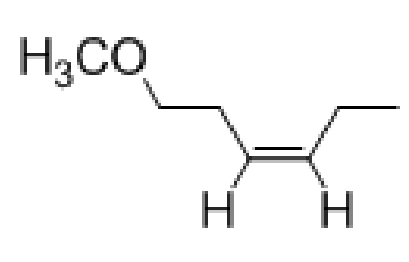
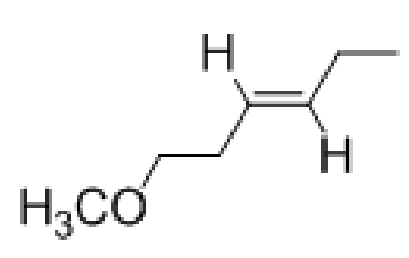
Step 4: Stereoselective Hydrogenation with , Lindlar's catalyst Hydrogenation of an internal alkyne in the presence of Lindlar's catalyst ( or quinoline) results in stereoselective syn-addition of hydrogen, producing the corresponding cis-alkene ((Z)-alkene):
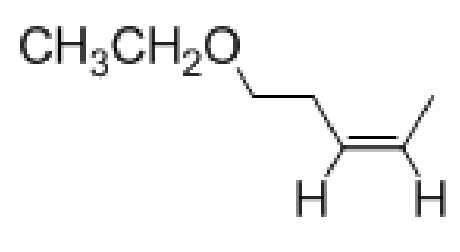
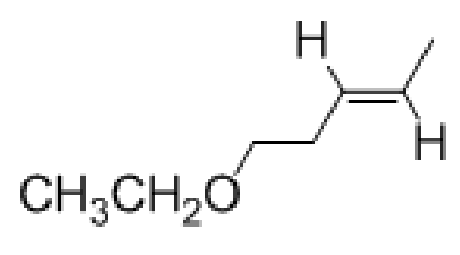
This structure corresponds to the molecule shown in Option (A).
Correct Answer: (A)