Reaction Sequence of L-Glucose to Final Product Q
In the following reaction sequence, the major product is

Options
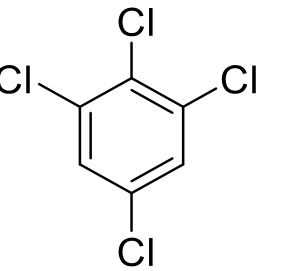
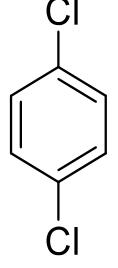
Topics & Concepts
Step-by-Step Solution
To determine the major product in the given reaction sequence, let us analyze each step systematically:
-
Reduction of L-Glucose: Heating L-glucose with red phosphorus and hydroiodic acid () results in the complete reduction of all the hydroxyl and carbonyl functional groups, yielding -hexane:
-
Aromatization of -hexane: When -hexane is heated in the presence of chromium oxide () catalyst at and pressure, it undergoes catalytic reforming (cyclization and dehydrogenation) to form benzene (). Thus, the intermediate compound is benzene.
-
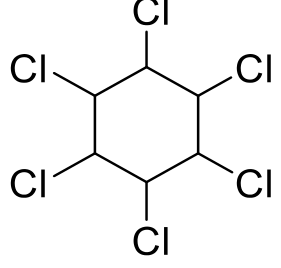
Photo-chlorination of Benzene: When benzene () is treated with excess chlorine gas () in the presence of ultraviolet (UV) light, it undergoes a free-radical addition reaction across the double bonds (rather than electrophilic substitution): This addition reaction destroys the aromaticity of the ring and yields 1,2,3,4,5,6-hexachlorocyclohexane (commonly known as benzene hexachloride or BHC).
Comparing the structure of -hexachlorocyclohexane with the given options:
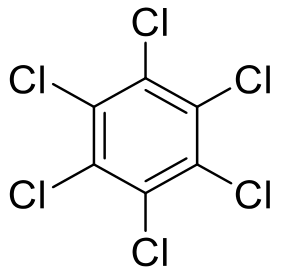
- Option (A) is hexachlorobenzene (), which would form via electrophilic substitution in the presence of a Lewis acid ().
- Option (D) represents -hexachlorocyclohexane (), a non-aromatic cyclohexane ring substituted with six chlorine atoms.
Therefore, the correct option is (D).