Major Product in Phthalimide Alkylation Reaction
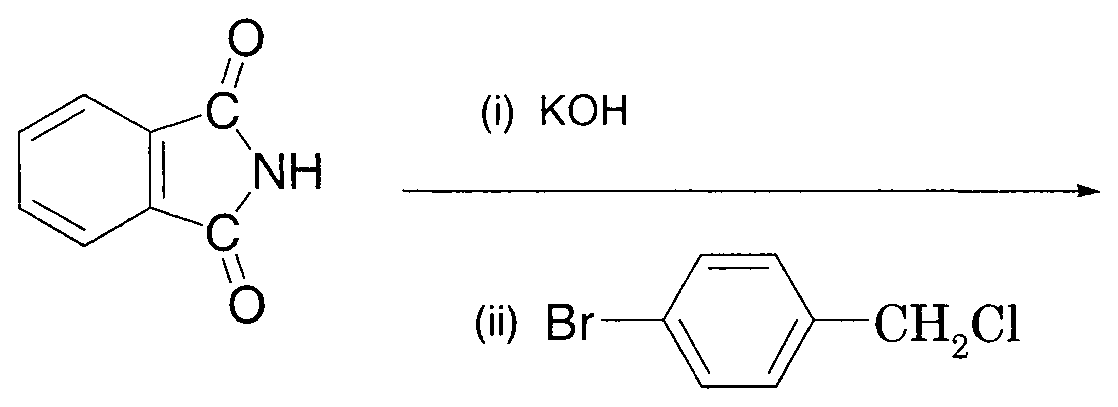
The major product of the following reaction is
Options
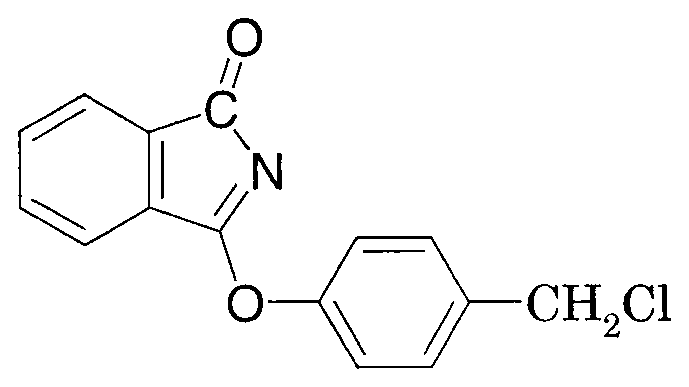
Topics & Concepts
Step-by-Step Solution
To determine the major product of the reaction, let us analyze the reaction step-by-step:
Step 1: Deprotonation of Phthalimide
Phthalimide has an acidic proton on the nitrogen atom () due to resonance stabilization of the conjugate base across the two adjacent carbonyl groups:
The resulting phthalimide anion is an effective nitrogen nucleophile.
Step 2: Nucleophilic Substitution Reaction
The nucleophile reacts with 4-bromobenzyl chloride (), which contains two potential reaction sites:
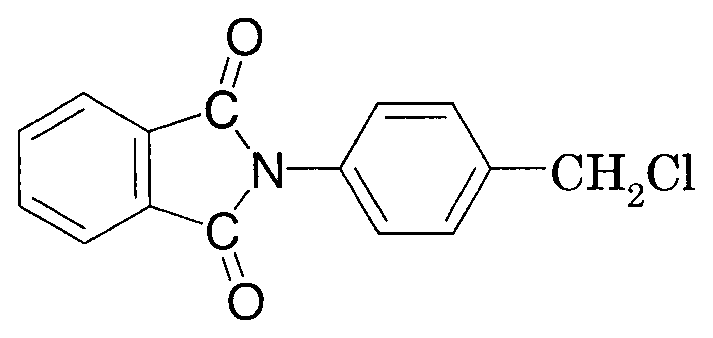
- The aryl bromide site (): The aryl bond possesses partial double-bond character due to resonance with the aromatic -system. Additionally, the geometry of the benzene ring prevents backside attack, making displacement virtually impossible under standard conditions.
- The benzylic chloride site (): The primary benzylic carbon is sterically accessible and the transition state for an displacement is strongly stabilized by the -electron system of the aromatic ring.
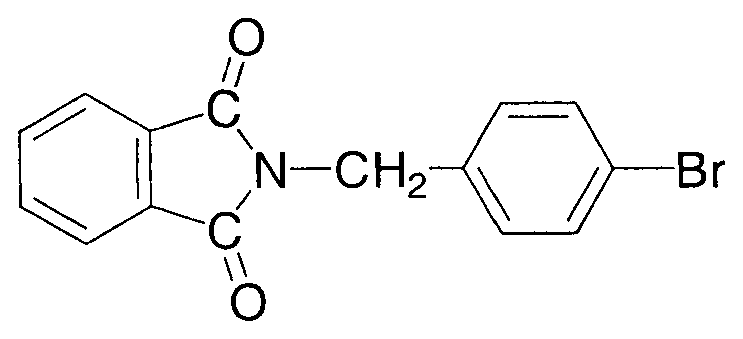
Therefore, the reaction proceeds exclusively at the benzylic carbon via an pathway, where the nitrogen atom of the phthalimide anion attacks the benzylic carbon, displacing the chloride ion () as the leaving group:
The -alkylated product formed is -(4-bromobenzyl)phthalimide.
This product corresponds to structure (A).
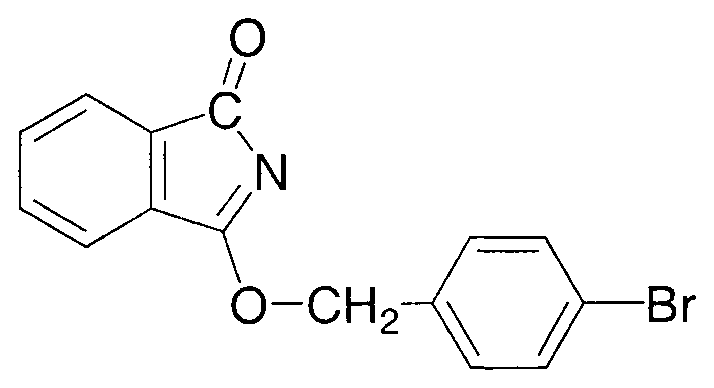
Correct Option: A